CIDA 2026
5th International Communication
In Digital Age Symposium:
Transformation of Intelligence –
The Dialectics of Communication
15-17 October
Kocaeli University / TÜRKİYE
In Digital Age Symposium:
Transformation of Intelligence –
The Dialectics of Communication
Kocaeli University / TÜRKİYE

About CIDA International
CIDA International is an international symposium jointly organized by the Communication Research Association (ILAD), founded in 1989, and the Communication Faculty Deans Council (ILDEK), established by the deans of communication faculties operating in Türkiye and abroad since 2000 within the framework of the Turkish higher education system.
Within this framework, the symposium series titled Communication in the Digital Age has been organized to discuss emerging issues in digital communication and media studies. The first symposium was hosted by Mersin University Faculty of Communication in 2018, and the second symposium was organized by Izmir University of Economics Faculty of Communication in 2020.
The third symposium, CIDA International 2022, was organized under the leadership of Ankara University Faculty of Communication (ILEF) with the contributions of the communication faculties of Başkent University, Hacettepe University, and Ankara Hacı Bayram Veli University, as well as the relevant departments and programs of Çankaya University, Atılım University, and Ankara Social Sciences University.
The fourth symposium in the series was held in 2024 at Eastern Mediterranean University in Northern Cyprus.
The fifth symposium in the series, CIDA International 2026, will take place between 15–17 October 2026 and will be hosted by the Faculty of Communication at Kocaeli University in Kocaeli, Türkiye.
The symposium languages are Turkish and English.
CALL FOR PAPERS
Today, current discussions in the field of artificial intelligence (AI) no longer conceptualize intelligence solely as an individual attribute of the human mind but as a hybrid and collective phenomenon where human and machine agents coexist. The articulation of intelligence from being a biological privilege to calculable processes also brings about the transformation of communication from a rational dialogue to an algorithmic process. A comparative examination of AI and human intelligence shows that the human capacity to generate intuitive, contextual, and implicit knowledge and the large-scale data processing and pattern recognition power of AI offer mutually complementary competencies, not mutually exclusive. In this context, “hybrid intelligence” emerges as a new form of intelligence that is neither completely human-centered nor completely machine-centered, but based on the mutual empowerment of human and artificial intelligence systems.
The “hybrid-augmented intelligence” and “hybrid cognitive authority” frameworks developed in recent years show that human-machine collaboration is not just automation; It emphasizes that it creates common cognitive subjectivity in decision-making, information production and interpretation processes. The articulation of artificial intelligence to human cognition as a “cognitive extension” or “System 0” radically transforms the way people access information, solve problems and learn; It transforms artificial intelligence systems into cognitive partners that prioritize and shape human thinking processes rather than passive tools . This transformation, on the one hand, reduces intelligence to the capacity to “act rationally” and “solve problems” rather than “thinking like a human“, and on the other hand, it also brings new ethical, political and cultural debates that go beyond this reductionist and instrumental framework to the agenda.
In this context, the symposium focuses on the dialectical tension between Weber’s concept of “instrumental rationality” and Habermas’ theory of “communicative action“. Will artificial intelligence remain only an instrumental object that maximizes efficiency; Or will it be constructed as an actor compatible with the principles of ethics, social responsibility and public deliberation? The field of human-machine communication (HMC), which is shaped by artificial intelligence-based interfaces, chatbots, social bots and digital assistants, has transformed AI from being just a transmission channel to a synthetic communicator and “algorithmic subject” that participates in meaning production, simulates affect, and establishes discourse.“. Qualitative studies show that people do not reduce their interaction with artificial intelligence systems to a mere command-response order; It reveals that they have developed a complex communication practice with an algorithmic “semi-subject” with role-playing, emotional kindness, gamification and relationality strategies. Thus, communication becomes evident as a dialectical process established between man and machine, which both reproduces and transforms human communication patterns.
On the other hand, the posthumanist perspective, which replaces the humanist ideal that accepts human beings as the measure of all things, necessitates redefining the subject in transversal contexts such as machine-becoming and earth-becoming. AI-powered collective intelligence models point to new forms of organization where human communities and artificial agents work together in multi-layered networks to solve complex societal problems. In these hybrid collective structures, knowledge production and authority become distributed; Artificial intelligence also re-establishes discourse and power relations as an “infrastructure subject” that filters, prioritizes and shapes communicative flows. In this context, the ontological differences between AI’s “non-intentional” language and human language; In Walter Benjamin’s words, the loss of the “aura” of communication, that is, the “here and now“; it intertwines with the question of how meaning, knowledge, and power are negotiated under digital-automated regimes.
Thus, in the age of artificial intelligence, the transformation of intelligence and the dialectic of communication become inseparable: While intelligence is organized in human-machine hybrid systems; communication gains importance as a dominant field in these systems where meaning, information and power are distributed, transformed and opened to discussion. From education to health communication, from digital platforms to public debate, multi-layered processes are observed in which intelligence externalizes (information is embodied in models), internalized (artificial intelligence outputs reconstruct mental models), and expanded through human-AI hybrid systems.
The symposium aims to discuss this transformation with an interdisciplinary perspective; on the axis of hybrid intelligence, collective intelligence, human-machine communication (HMC) and posthumanist theories; It aims to discuss the philosophical, theoretical, empirical and normative dimensions of new artificial intelligence-based cognition and communication systems. In this context, based on the dialectical tension between Weber’s instrumental rationality and Habermas’ theory of communicative action, the question of whether artificial intelligence is only a technical tool or a communicative actor will be discussed in a multidimensional way.
Within the scope of the symposium; in a wide range from public relations to journalism, from advertising to visual communication design, from marketing communication to political communication, from cultural studies to digital ethics and media studies; It is expected to present studies focusing on artificial intelligence, digital platforms, algorithmic content production, data-driven communication, misinformation, digital culture and new media ecosystems.
In the symposium, which is planned to be held with a wide participation at national and international level, researchers, graduate students and all interested parties in the field will participate in the 5. We invite you to the International Symposium on Communication in the Digital Age (CIDA International).
Abstracts can focus on the following axes, including but not limited to the following themes:
Transformation of Intelligence and Hybrid/Collective Intelligence
- Communication Generation in the Age of Hybrid Intelligence
- Collective Intelligence and the Digital Public Sphere
- The Transformation of Editorial Authority in AI-Powered Communication
- Trust, Transparency, and Ethical Communication in Human-Machine Interaction
- From Participatory Culture to Hybrid Production
- Algorithmic Power and Visibility in Platformized Communication Ecosystems
- Distributed Intelligence and Information Flows
- Platform Capitalism and Communication
- Digital Culture and Meaning Production in the Context of Networked Intelligence
- From Collective Intelligence to Algorithmic Curation
Human-AI Communication and New Dialectics
- New Communication Paradigms in the Context of Human-Machine Communication (HMC)
- Synthetic Communicators and the Transformation of Representation in Media
- Hybrid Communication Models
- Source Reliability and Communication Ethics in AI-Based Content Production
- Artificial Intelligence in Digital Media “Speakers”: Discourse, representation and persuasion processes
- Corporate Communications from the HMC Perspective
- Subject/Object Boundaries, Algorithmic Subjectivity and the Dialectic of Communication
- Human-AI dialogues on the axis of affect, trust, authority and dependence
Artificial Intelligence and Strategic Communication in Public Relations
- AI-powered corporate reputation management and communication strategies
- Data-driven public relations/Artificial intelligence and early warning systems in crisis communication
- Professional transformation in public relations, new skills-tools
- Artificial intelligence and corporate transparency / accountability / ethics debates
- Digital activism and public relations practices
AI Transformation in Journalism
- Artificial intelligence/Robot journalism and automated news writing in news production and distribution processes
- Data journalism and visualization
- Independent media and sustainability
- Fact-checking / Deepfake and image/audio manipulation
- Credibility of AI-generated news Public trust and algorithmic transparency/Editorial Ethics
Visual Communication Design and Artificial Intelligence
- Redefining visual production and creativity with generative AI
- Human-AI collaboration in design processes/ Automated design tools and transformation of creative processes
- Logo, poster and corporate identity design with artificial intelligence
- Discussions of speed, efficiency and standardization in design
- Algorithmic effects and meaning production in aesthetic production
AI in Advertising and Creative Industries
- Text, campaign and ad production with generative AI
- Transforming creativity: human-machine collaboration
- Personalized ad experiences
- Ethics, manipulation and consumer rights in advertising
- The use of AI in brand narratives
Artificial Intelligence in Radio and Audio-Based Media
- AI-powered radio broadcasting and automated content production
- AI in the podcast ecosystem
- New listening practices with voice assistants and conversational interfaces
- Transforming sound design, editing and publishing processes with artificial intelligence
- Algorithmic curation and content visibility on digital radio platforms
- Debates on trust, authority and “synthetic voice” in audio media
AI and Hybrid Creativity in Cinema
- Screenwriting, character design, and visual production with generative AI
- Human-AI collaboration in cinema: hybrid creative processes
- Deep learning and visual effects technologies: the transformation of reality and representation
- Deepfake technologies and issues of ethics, representation and trust in cinema
- Automation of editing, post-production and distribution processes with artificial intelligence
- Algorithmic aesthetics and new narrative forms in cinema narrative
- Digital platforms (Netflix, etc.) and data-driven content production
AI in Television and Platform Ecosystems
- AI-powered content production and programming in television broadcasting
- Algorithmic recommendation systems and viewing culture on streaming platforms
- Personalized content experience and audience analytics with artificial intelligence
- Automation in news and live broadcasts: robot presenters and synthetic anchors
- Data-driven rating measurement and audience behavior analysis in television
- The transformation of television in the process of platformization: from linear broadcasting to digital streaming
- Artificial intelligence, ethics and manipulation debates in television content
Artificial Intelligence and Data Economy in Marketing Communication
- Customer experience design with artificial intelligence, consumer behavior, data analytics
- Personalization and microtargeting strategies
- Big data and communication decision processes
- Integration of neuromarketing and artificial intelligence
- Ethics and privacy in digital marketing
Political Communication and Democracy
- Digital campaigns and election communication
- Social media activism and collective action
- The effect of algorithms on political processes
- Public Diplomacy and artificial intelligence
Dialectics of Cultural Studies and Communication
- Transformation of culture, technology and meaning production
- Popular culture and digitalization
- Resistance practices and alternative media
- Identity politics and representation struggles
Communication Ethics and Digital Rights
- AI ethics and accountability
- Data security, privacy, and ethical breaches
- Digital ethics, freedom of expression and hate speech
- Ethical decision-making processes in the age of automation
Education, Communication and Digital Literacy
- Transforming knowledge production processes in academia
- Digital Pedagogy: Transforming the Curriculum in Communication Faculties
- AI Literacy: Competency Building for the Next Generation of Communicators
- Transforming knowledge production processes in academia and New Tools in production
- Ethics and Technology in Research Methods
Communication and Artificial Intelligence in the Sports Industry
- Data analytics and content production in sports media
- Performance analysis, fan experience and digital interaction with artificial intelligence
- E-sports and new communication ecosystems
- Sports marketing and sponsorship strategies
- Broadcasting technologies and the transformation of sports narrative
Artificial Intelligence in Culture, Art and Creative Production
- Discussions on art generation with artificial intelligence, art originality and creativity
- Digital exhibitions, museums, and experience design
- Digitalization of cultural heritage
- Artificial intelligence in cinema, music and visual arts
- Automation and labor in the cultural industries
AI in the Financial Communication Ecosystem
- Investor relationship management with artificial intelligence
- FinTech applications, crypto assets and digital finance communication
- The communication dimension of algorithmic trading
- AI-powered financial literacy
- Chatbots and customer communication in banking
Health Communication and Technology
- Digital health communication and telemedicine
- Applications of artificial intelligence in health
- Risk communication and crisis management
Interdisciplinary Intersections
- Algorithmic decision-making and societal implications
- AI ethics and regulatory policies
- Digital capitalism and communication
- The relationship between data, power and ideology
- The future of communication: post-human discussions
- Human-machine interaction and communication theories
- Generative AI and creative industries
Keynote Speakers
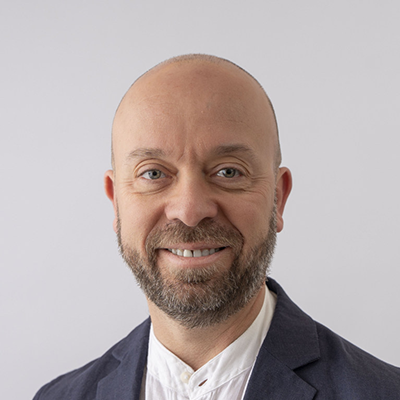
Salvatore Scifo
Executive Director
International Association for Media and Communication Research – IAMCR
Salvatore Scifo brings wide experience in academic and organisational leadership. He is a former co-chair of IAMCR’s Community Communication and Alternative Media Section and has served in leadership roles with the European Communication Research and Education Association (ECREA), the Community Media Forum Europe (CMFE) and the Media, Communication and Cultural Studies Association (MeCCSA). He holds a PhD in communication from the University of Westminster.
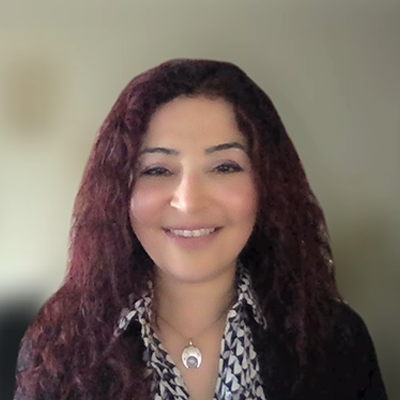
Nagwan Zahry
Associate Professor
University of Tennessee at Chattanooga
Dr. Zahry is an Associate Professor in the Department of Communication. She received her PhD in Media & Information from Michigan State University in the fall of 2017. During her PhD at the Michigan State University’s College of Communication Arts and Sciences, she worked in many interdisciplinary projects implemented by the College of Nursing, the College of Engineering, and the College Agriculture and Natural Resources.
Prior to joining UTC in 2012, Dr. Zahry worked as a Assistant Professor at Michigan State University’s Department of Public Relations and Advertising where she taught undergraduate and graduate courses.
Dr. Zahry’s research areas include digital technologies for positive behavior change, persuasive messaging, AI, STEM education, and low-income families’ eating behaviors and mental health.

Lutz Peschke
Associate Professor
Başkent University, Communication Faculty, Communication and Design Programe
Associated Professor Lutz Peschke’s academic background is interdisciplinary, encompassing both natural and social sciences. He received his PhD in Chemistry from Heidelberg University in 1996. In subsequent years, he turned to social sciences, receiving PhDs in Journalism from Ankara University in 2010 and in Media and Communication Studies from Bonn University in 2018.
His main areas of expertise include science communication, media design, visual communication, and new media.
He is currently an Associate Professor and Vice Dean at Başkent University Faculty of Communication. He was also a faculty member at Bilkent University Department of Communication and Design in the past.
ORGANIZING COMMITTEE
Prof. Dr. Aysel AZİZ (İLAD)
Prof. Dr. Asaf VAROL (İLDEK)
Prof. Dr. İdil SAYIMER (İLDEK/KOÜ)
Prof. Dr. Senem GENÇTÜRK HIZAL (İLDEK)
Prof. Dr. Elif Asude TUNCA (İLDEK)
Prof. Dr. Deniz Nalan BÜKER (İLAD)
Füsun ÖZBİLGEN (İLAD)
Assoc. Prof. Dr. Banu KÜÇÜKSARAÇ (KOÜ, General Coordinator)
Assoc. Prof. Dr. Aysel TAPAN (KOÜ)
Assist. Prof. Dr. Yusuf BUDAK (KOÜ)
Assist. Prof. Dr. Hakan KÜÇÜKSARAÇ (KOÜ)
Assist. Prof.Dr. Nihan DÖNMEZ (KOÜ)
Ress. Assist. Dr. Turancan ŞİRVANLI (KOÜ)
Ress. Assist. Ahmet Talha AĞCA (KOÜ)
Ress. Assist. Z. Ebrar VARLI DOĞAN (KOÜ)
Sevda GÜZELDERE – (İLAD)
ADVISORY BOARD
ADVISORY BOARD
(Sorted by Surname )
Prof.Dr. Yusuf ADIGÜZEL (Anadolu University / TÜRKİYE)
Prof.Dr. Abdülrezak ALTUN (Ankara University / TÜRKİYE – III. CIDA Symposium Vice-Chair 2022)
Prof.Dr. Ümit ATABEK (İLDEK)
Prof.Dr. Aysel AZİZ (İLAD)
Prof.Dr. Senem DURUEL ERKILIÇ (Mersin University / TÜRKİYE – I. CIDA Symposium Vice-Chair 2018)
Prof.Dr. Metin ERSOY (Eastern Mediterenian University / NORTHERN CYPRUS – IV. CIDA Symposium Vice-Chair 2024)
Prof.Dr. Nazife GÜNGÖR (Üsküdar University / TÜRKİYE)
Prof.Dr. Süleyman İRVAN (Üsküdar University / TÜRKİYE)
Prof.Dr. Gül Rengin KÜÇÜKERDOĞAN (Hasan Kalyoncu University / TÜRKİYE)
Prof.Dr. Halil NALÇAOĞLU (İstanbul Bilgi University / TÜRKİYE
Prof.Dr. İdil SAYIMER (İLDEK – Kocaeli University / TÜRKİYE)
Dr. Salvatore SCIFO (IAMCR)
Prof.Dr. Edibe SÖZEN ÇETİNTAŞ (Maltepe University / TÜRKİYE)
Prof.Dr. Ebru UZUNOĞLU (İzmir University of Economics / TÜRKİYE – II. CIDA Symposium Vice-Chair 2020)
Prof.Dr. Asaf VAROL (The University of Tennessee at Chattanooga / US)
Prof.Dr. Hülya YENĞİN (İLAD)
SCIENTIFIC BOARD
Nihal ACAR ( Asoc.Prof. – Sivas Cumhuriyet University )
Deniz AKBULUT ( Asoc.Prof. – İstanbul Aydın University )
Hasan AKBULUT ( Prof. – İstanbul University )
Burçe AKCAN ( Asoc.Prof. – Selçuk University )
Selda AKÇALI ( Prof. – Ege University )
Ebru AKÇAY ( Asoc.Prof. – Başkent University )
Buket AKDEMİR DİLEK ( Asoc.Prof. – Hasan Kalyoncu University )
Hacer AKER ( Asoc.Prof. – Selçuk University )
Nesrin AKINCI ÇÖTOK ( Prof. – Sakarya University )
Özlem AKKAYA ( Asoc.Prof. – Yeditepe University )
Ali Murat AKSER ( Prof. – ARUCAD )
Zeynep AKSOY ( Asoc.Prof. – İzmir Ekonomi University )
Işıl AKTUĞLU ( Prof. – Ege University )
Öznur AKYILMAZ ( Dr. – Hasan Kalyoncu University )
Mihriban AKYOL AKIN ( Dr. – İstanbul Beykent University )
Gülseli Aygül ALAN ( Asoc.Prof. – Maltepe University )
Ayşe ALDEMİR ( Dr. – Bolu Abant İzzet Baysal University )
Figen ALGÜL ( Dr. – Marmara University )
Yılmaz ALIŞKAN ( Dr. – Dicle University )
Özlem ALİKILIÇ ( Prof. – Yaşar University )
Bahtiyar Ahu ALPASLAN ( Dr. – Yeditepe University )
Hasan ALTİNCİK ( Asoc.Prof. – Dicle University )
Emad AMLASHİ ( Dr. – ARUCAD )
Batu ANADOLU ( Asoc.Prof. – Çukurova University )
Hülya ANAKIZ ERTÜRK ( Dr. – Niğde Ömer Halisdemir University )
Aslıhan ARDIÇ ÇOBANER ( Prof. – Mersin University )
Ümit ARKLAN ( Prof. – Süleyman Demirel University )
Berna ARSLAN ( Asoc.Prof. – Mersin University )
Mustafa ARSLAN ( Dr. – Ankara Medipol University )
Alaattin ASLAN ( Dr. – Marmara University )
Alev ASLAN ( Asoc.Prof. – İstanbul University )
Cem Evrim ASLAN ( Dr. – Zonguldak Bülent Ecevit University )
Ahmet Gökçe ASLANER ( Dr. – İstanbul Beykent University )
Gökhan AŞÇI ( Dr. – Alanya University )
Muhammad AUWAL AHMAD ( Dr. – Sakarya University )
Artun AVCI ( Prof. – Marmara University )
Abdulhamit AVŞAR ( Prof. – İstanbul Ticaret University )
Semra AY ( Dr. – Başkent University )
İrem AYAN DANACILAR ( Dr. – Beykoz University )
Yonca AYBAY ( Dr. – Eastern Mediterranean University )
Hediye AYDOĞAN ( Asoc.Prof. – Akdeniz University )
Çiğdem AYTEKİN ( Prof. – Marmara University )
Aysel AZİZ ( Prof. – İstanbul Yeni Yüzyıl University )
Uğur BAKIR ( Asoc.Prof. – Ege University )
Sevil BAL KÖSE ( Asoc.Prof. – Başkent University )
Recep BAŞARICI ( Dr. – Kahramanmaraş İstiklal University )
Gülşah BAŞLAR ( Asoc.Prof. – Marmara University )
Banu BAYBARS ( Prof. – Kadir Has University )
Özlem BAYKUŞ PAÇACIOĞLU ( Dr. – Maltepe University )
Günseli BAYRAKTUTAN (Prof. Dr. – Başkent University )
Cihan BECAN ( Asoc.Prof. – Üsküdar University )
Sevil BEKTAŞ DURMUŞ ( Dr. – İstanbul Yeni Yüzyıl University )
Ahmet BİÇER ( Dr. – Erciyes University )
Remzi BİLGE ( Dr. – Maltepe University )
Muhammed BİLGEHAN AYTAÇ ( Asoc.Prof. – Aksaray University )
Ayşe BİLGİNER KUCUR ( Asoc.Prof. – Atatürk University )
Mutlu BİNARK ( Prof. – Hacettepe University )
Tuğçe BORAN ( Asoc.Prof. – Sakarya University )
Mesut BOSTAN ( Asoc.Prof. – Marmara University )
Nevfel BOZ ( Asoc.Prof. – Ankara Sosyal Bilimler University )
Serap BOZKURT ( Dr. – Beykoz University )
Yusuf BUDAK ( Dr. – Kocaeli University )
Sema BULAT DEMİR ( Dr. – İstanbul Aydın University )
Nalan BÜKER ( Prof. – İstanbul Arel University )
Mehmet BÜYÜKAFŞAR ( Dr. – Niğde Ömer Halisdemir University )
Selime BÜYÜKGÖZE ( Dr. – İstanbul Topkapı University )
Özge CENGİZ ( Asoc.Prof. – Zonguldak Bülent Ecevit University )
Mustafa CINGI ( Asoc.Prof. – Erciyes University )
Gülçin ÇAKICI ÖZTÜRK ( Dr. – Maltepe University )
Ezgi ÇAKIR ( Dr. – İstanbul Arel University )
Berk ÇAYCI ( Asoc.Prof. – İstanbul Ticaret University )
Burak ÇEBER ( Asoc.Prof. – Üsküdar University )
Yunus Emre ÇEKİCİ ( Asoc.Prof. – Çukurova University )
Merve ÇELİK VAROL ( Asoc.Prof. – İstanbul Beykent University )
Ekrem ÇELİKİZ ( Dr. – İstanbul Topkapı University )
Birsen ÇETİN ( Asoc.Prof. – İstanbul Beykent University )
Selçuk ÇETİN ( Asoc.Prof. – Yozgat Bozok University )
Nazlı ÇETİN GÜNDOĞDU ( Dr. – Yeditepe University )
Ahmet ÇETİNKAYA ( Prof. – Marmara University )
Aysel ÇETİNKAYA ( Asoc.Prof. – Kocaeli University )
Tolga ÇEVİKEL ( Asoc.Prof. – Galatasaray University )
Dilan ÇİFTÇİ ( Asoc.Prof. – Uluslararası Kıbrıs University )
Meral ÇİFTER ( Asoc.Prof. – Kocaeli University )
İrem ÇOBAN ( Dr. – İstanbul Bilgi University )
Serhat ÇOBAN ( Asoc.Prof. – Çanakkale Onsekiz Mart University )
Sefer DARICI ( Asoc.Prof. – Sivas Cumhuriyet University )
Gürsoy DEĞİRMENCİOĞLU ( Asoc.Prof. – Kocaeli University )
Esra DEMİRCİ ( Dr. – Marmara University )
Zeynep DEMİRCİOĞLU BİRİCİK ( Asoc.Prof. – Atatürk University )
Ege Simge DEMİREL ( Dr. – Yeditepe University )
Sadettin DEMİREL ( Dr. – Üsküdar University )
Selver DİKKOL AKÇAY ( Dr. – Başkent University )
Neva DOĞAN ( Asoc.Prof. – Gümüşhane University )
Gülay DOĞAN BAŞ ( Dr. – İstanbul Yeni Yüzyıl University )
Burak DOĞU ( Prof. – İzmir Ekonomi University )
Zeynep Benan DONDURUCU DEDE ( Asoc.Prof. – Kocaeli University )
Nihan DÖNMEZ ( Dr. – Kocaeli University )
Servet Can DÖNMEZ ( Dr. – Mersin University )
Kenan DUMAN ( Asoc.Prof. – İstanbul Ticaret University )
Canan DURAL TASOUJİ ( Asoc.Prof. – Mersin University )
Tezcan DURNA ( Asoc.Prof. – Ankara University )
Senem Ayşe DURUEL ERKILIÇ ( Prof. – Mersin University )
Ülkü İlgi ELDEM ANAR ( Asoc.Prof. – Maltepe University )
Türker ELİTAŞ ( Asoc.Prof. – Hatay Mustafa Kemal University )
Tuğba ELMACI ( Prof. – Çanakkale Onsekiz Mart University )
Metin ENES DÖNMEZ ( Dr. – İstanbul Aydın University )
Sefa ERBAŞ ( Asoc.Prof. – Gümüşhane University )
Tirşe ERBAYSAL FİLİBELİ ( Prof. – Bahçeşehir University )
Nuray ERGİNDİR KÜÇÜKKAYA ( Dr. – Üsküdar University )
Zuhal ERGÜN ( Dr. – Kastamonu University )
Duygu ERGÜN TAKAN ( Dr. – Uşak University)
Itır ERHART (Prof.Dr. – İstanbul Bilgi University)
Nimet ERSİN ( Asoc.Prof. – İstanbul Yeni Yüzyıl University )
Metin ERSOY ( Prof. – Eastern Mediterranean University )
Banu ERŞANLI TAŞ ( Asoc.Prof. – Başkent University )
Rifat Hakan ERTEP ( Prof. – Yaşar University )
Yeşim ESGİN ( Asoc.Prof. – İstanbul Medipol University )
Marıa Pıa ESTER CRISTALDI ( Dr. – Üsküdar University )
Gilman Senem GENÇTÜRK HIZAL ( Prof. – Başkent University )
Zuhal GÖK DEMİR ( Asoc.Prof. – Akdeniz University )
Göksel GÖKER ( Prof. – Fırat University )
Abdulkadir GÖLCÜ ( Prof. – Selçuk University )
Ayça Berna GÖRMEZ ( Dr. – Ankara Hacı Bayram Veli University )
Onur GÜL ( Dr. – Yozgat Bozok University )
Derya GÜL ÜNLÜ ( Asoc.Prof. – İstanbul University )
Aziz Tamer GÜLER ( Asoc.Prof. – İstanbul Topkapı University )
Özgenur Reyhan GÜLER ( Dr. – İstinye University )
Şakir GÜLER ( Asoc.Prof. – Süleyman Demirel University )
Metin GÜLTEKİN ( Asoc.Prof. – Fırat University )
Zeynep GÜLTEKİN AKÇAY ( Asoc.Prof. – Sivas Cumhuriyet University )
Uğur GÜNDÜZ ( Prof. – İstanbul University )
Abdulsamet GÜNEK ( Asoc.Prof. – Muş Alparslan University )
Şadiye Emet GÜREL ( Prof. – Ege University )
Mert GÜRER ( Asoc.Prof. – Kocaeli University )
Ebru Belkıs GÜZELOĞLU ( Prof. – Ege University )
Zeliha HEPKON ( Prof. – Beykoz University )
Canan Gülseren İNAN KONUKOĞLU ( Dr. – İstanbul Topkapı University )
Kamer İNCEDURSUN ( Asoc.Prof. – İstanbul Yeni Yüzyıl University )
Ahmet İYİCİ ( Dr. – ARUCAD )
Çağrı KADEROĞLU BULUT ( Dr. – Ankara University )
Ece KAHRAMAN BULUT ( Dr. – Uluslararası Kıbrıs University )
Bahadır KAPIR ( Dr. – Marmara University )
İsmail KAPLAN ( Dr. – Anadolu University )
Metin KARABURUN ( Dr. – Muş Alparslan University )
Hakan KARAHASAN ( Dr. – ARUCAD )
Tüba KARAHİSAR ( Asoc.Prof. – Uşak University )
Elif KARAKOÇ KESKİN ( Dr. – Yeditepe University )
İsmail KARAKULLE ( Dr. – Kastamonu University )
Mehmet KARANFİLOĞLU ( Asoc.Prof. – İbn Haldun University )
Serkan KARATAY ( Dr. – İstanbul Yeni Yüzyıl University )
İhsan KARLI ( Assoc.Prof. – Kocaeli University )
Sevgi KAVUT ( Asoc.Prof. – Kocaeli University )
Sinan KAYA ( Asoc.Prof. – Ondokuz Mayıs University )
Mete KAZAZ ( Asoc.Prof. – Selçuk University )
Deniz KEBA EKİNCİ ( Dr. – Kocaeli University )
Ali KEREM İNGEÇ ( Asoc.Prof. – Marmara University )
Ayşegül KESİRLİ UNUR ( Asoc.Prof. – İstanbul Bilgi University )
Alptekin KESKİN ( Dr. – Independent Researcher )
Serpil KIR ELİTAŞ ( Asoc.Prof. – Hatay Mustafa Kemal University )
Ozan KOCABAŞ ( Asoc.Prof. – İnönü University )
Halil İbrahim KOÇ ( Dr. – Niğde Ömer Halisdemir University )
Sevim KOÇER ( Asoc.Prof. – Kocaeli University )
Murat KOÇYİĞİT ( Prof. – Niğde Ömer Halisdemir University )
Aynur KÖSE ( Prof. – Trabzon University )
Sercan KULE ( Dr. – Kahramanmaraş İstiklal University )
Mustafa Cankut KURT ( Dr. – Gümüşhane University )
Oğuz KUŞ ( Asoc.Prof. – İstanbul University )
Özgün Arda KUŞ ( Dr. – Üsküdar University )
Mert KUTLUK ( Dr. – İstanbul Medipol University )
Gül Rengin KÜÇÜKERDOĞAN ( Prof. – Hasan Kalyoncu University )
Banu KÜÇÜKSARAÇ ( Asoc.Prof. – Kocaeli University )
Hakan KÜÇÜKSARAÇ ( Dr. – Kocaeli University )
Hidayet Hale KÜNÜÇEN ( Prof. – Başkent University )
Bahar MURATOĞLU PEHLİVAN ( Asoc.Prof. – Üsküdar University )
Erol NEZİH ORHON ( Prof. – Anadolu University )
Gabriela OANA OLARU ( Asoc.Prof. – İstanbul Medipol University )
Mustafa OF ( Dr. – Kocaeli University )
Cihan OĞUZ ( Dr. – İstanbul Yeni Yüzyıl University )
Esra OĞUZHAN ( Dr. – İstanbul Medipol University )
Ahmet OKTAN ( Prof. – Ondokuz Mayıs University )
Meryem OKUMUŞ ( Asoc.Prof. – Atatürk University )
Ferah ONAT ( Asoc.Prof. – Yaşar University )
Haluk Arda OSKAY ( Asoc.Prof. – Kocaeli University )
Çağdaş ÖĞÜÇ ( Dr. – ARUCAD )
Hülya ÖNAL ( Prof. – Çanakkale Onsekiz Mart University )
Hatice ÖZ PEKTAŞ ( Prof. – İstinye University )
Bahire ÖZAD ( Prof. – Eastern Mediterranean University )
Zeynep ÖZARSLAN ( Prof. – Çukurova University )
Züleyha ÖZBAŞ ANBARLI ( Asoc.Prof. – Anadolu University )
Niyazi Can ÖZBAŞARAN ( Dr. – Marmara University )
İçten Duygu ÖZBEK ( Prof. – Aydın Adnan Menderes University )
Berceste Gülçin ÖZDEMİR ( Asoc.Prof. – İstanbul University )
Sedat ÖZEL ( Prof. – Kocaeli University )
Zühal ÖZEL SAĞLAMTİMUR ( Prof. – Ege University )
Gülden ÖZKAN ( Asoc.Prof. – Kocaeli University )
Betül ÖZKAYA ( Prof. – Marmara University )
Duygu ÖZSOY TAYLAN ( Asoc.Prof. – Mersin University )
Bahar ÖZTÜRK ( Asoc.Prof. – İnönü University )
Emel ÖZTÜRK ( Prof. – Kocaeli University )
Mehmet Cem PEKMAN ( Prof. – Kocaeli University )
Aybike PELEK ( Asoc.Prof. – Kocaeli University )
Merve PORAY GÜNEY ( Dr. – Maltepe University )
Nigar PÖSTEKİ ( Prof. – Kocaeli University )
Betül SABAHÇI ( Asoc.Prof. – Yozgat Bozok University )
Gaye Aslı SANCAR DEMREN ( Asoc.Prof. – Galatasaray University )
İdil SAYIMER ( Prof. – Kocaeli University )
Melike SEJFULA AYDIN ( Dr. – İstanbul Yeni Yüzyıl University )
Eser SELEN ( Asoc.Prof. – Özyeğin University )
Hülya SEMİZ TÜRKOĞLU ( Asoc.Prof. – İstanbul University )
Ayşe Aslı SEZGİN BÜYÜKALACA ( Prof. – Çukurova University )
Gülen SÖNMEZ ( Dr. – Gümüşhane University )
Gözde SUNAL KIZIL ( Asoc.Prof. – İstanbul Ticaret University )
Bilal SÜSLÜ ( Asoc.Prof. – Zonguldak Bülent Ecevit University )
Aslı ŞAHİNKAYA ERMİŞ ( Dr. – Başkent University )
Gül ŞENER ( Asoc.Prof. – Bahçeşehir University )
Gülüm ŞENER ( Asoc.Prof. – Independent Researcher )
Elif ŞEŞEN ( Prof. – Niğde Ömer Halisdemir University )
Esra TANİ YILDIZ ( Dr. – Bandırma Onyedi Eylül University )
Oylum TANRIÖVER ( Dr. – Marmara University )
Aysel TAPAN ( Asoc.Prof. – Kocaeli University )
Oğuzhan TAŞ ( Prof. – Ankara University )
Birgül TAŞDELEN ( Asoc.Prof. – Gümüşhane University )
Elif TAŞDEMİR ŞANLI ( Dr. – Maltepe University )
Nihal TAŞOĞLU ( Prof. – Kocaeli University )
Birol Şevki TAVLI ( Dr. – Yeditepe University )
Onur TAYDAŞ ( Asoc.Prof. – Sivas Cumhuriyet University )
Recep TAYFUN ( Prof. – Maltepe University )
Ahmet TAYLAN ( Asoc.Prof. – Mersin University )
Nilüfer TİMİSİ NALÇAOĞLU ( Prof. – İstanbul University )
Engin TİRE ( Dr. – Maltepe University )
Fırat TUFAN ( Prof. – İstanbul University )
Sibel TUĞAL ( Asoc.Prof. – Işık University )
Nesli TUĞBAN YABAN ( Asoc.Prof. – Ankara Hacı Bayram Veli University )
Elif Asude TUNCA ( Prof. – European University of Lefke / Northern Cyprus) )
Emine UÇAR İLBUĞA ( Prof. – Akdeniz University )
Saadet UĞURLU ( Dr. – İstanbul Medipol University )
Bahar URHAN ( Asoc.Prof. – Akdeniz University )
Gülen UYGARER ( Asoc.Prof. – Eastern Mediterranean University )
Bünyamin UZUN ( Dr. – Yozgat Bozok University )
Billur ÜLGER ( Prof. – Yeditepe University )
Recep ÜNAL ( Prof. – Mersin University )
Sevda ÜNAL ( Asoc.Prof. – Çukurova University )
Burak ÜNLÜ ( Dr. – Erciyes University )
Seçil Deren VAN HET HOF ( Prof. – Akdeniz University )
Saadet Zeynep VARLI GÜRER ( Asoc.Prof. – Kocaeli University )
Asaf VAROL ( Prof. – Maltepe University )
Erdem VAROL ( Dr. – Marmara University )
Özgür VELİOĞLU METİN ( Asoc.Prof. – Kocaeli University )
Aslı YAĞMURLU DARA ( Prof. – Ankara University )
Abdurrahim YALÇIN ( Dr. – Yozgat Bozok University )
Fatma Nesrin YARAR AKSOY ( Dr. – Maltepe University )
Lütfiye YAŞAR BİLİCİ ( Dr. – Anadolu University )
Gül YAŞARTÜRK ( Asoc.Prof. – Akdeniz University )
Belgin YAZICI ( Dr. – İstanbul Yeni Yüzyıl University )
Tülay YAZICI ( Asoc.Prof. – Muş Alparslan University )
Caner YAZICIOĞLU ( Dr. – İstanbul Topkapı University )
Deniz YENĞİN ( Prof. – Çanakkale Onsekiz Mart University )
Ürün YILDIRAN ÖNK ( Asoc.Prof. – Yaşar University )
Arif YILDIRIM ( Asoc.Prof. – Çanakkale Onsekiz Mart University )
Cem YILDIRIM ( Asoc.Prof. – İstanbul Topkapı University )
Nevriye YILDIRIM ( Dr. – İstanbul Yeni Yüzyıl University )
Filiz YILDIZ ( Asoc.Prof. – Çukurova University )
Berkant YILMAZ ( Dr. – Kocaeli University )
Hüsna YILMAZ ( Dr. – Aydın Adnan Menderes University )
Rasime Ayhan YILMAZ ( Prof. – Anadolu University )
Elgiz YILMAZ ALTUNTAŞ ( Prof. – Galatasaray University )
Fırat YOLCU ( Dr. – Sivas Cumhuriyet University )
Erman YÜCE ( Dr. – Maltepe University )
Şule YÜKSEL ÖZMEN ( Prof. – Trabzon University )
Rabia ZAMUR TUNCER ( Asoc.Prof. – İstanbul University )
Ömer Faruk ZARARSIZ ( Dr. – Ankara Hacı Bayram Veli University )
Burcu ZEYBEK ( Asoc.Prof. – İstanbul University )
İbrahim Etem ZİNDEREN ( Asoc.Prof. – Atatürk University )
IMPORTANT DATES
5 October 2026 (Extended)
DEADLINE FOR ABSTRACTS
7 October 2026 (extended)
ANNOUNCEMENT OF ACCEPTED ABSTRACTS
9 October 2026 (extended)
ANNOUNCEMENT OF PROGRAM
15-16 October 2026
SYMPOSIUM
17 October 2026
ACCEPTED ABSTRACTS
| Paper ID | Paper Title | Author(s) |
| 1 | Us-India Trade War: Trade Negotiations | Aditya Kashyap (School Of Open Learning)*; Anand Jha (School Of Open Learning); Shagun Pandey (School Of Open Learning); Reema Thareja (School Of Open Learning) |
| 2 | Yeni Medya Eğitiminde Yapay Zekâ Destekli Uygulamalar ile Ders İçeriğinin Geliştirilmesi: Çanakkale Onsekiz Mart Üniversitesi Örneği | Deniz Yengin (Çanakkale Onsekiz Mart Üniversitesi); Yasemin Çakar (Çanakkale Onsekiz Mart Üniversitsi)*; Elif Aksüt (Çanakkale Onsekiz Mart Üniversitesi); Rabia Ören (Çanakkale Onsekiz Mart Üniversitesi) |
| 3 | Siber Zorbalık Tespitinde Yapay Zekâ ve İnsan Algısının Karşılaştırılmasına Yönelik Pilot bir Çalışma | Seda Turan (Bahçeşehir Üniversitesi )* |
| 4 | İnsan–Makine Uyumunun Kültürel Mantığı: İletişim Odaklı bir Yapay Zekâ Yaklaşımı | Derya Gül Ünlü (İstanbul Üniversitesi – AIPA Medya ve İletişim Komisyonu)* |
| 5 | Algorithmic Hegemony: The Production of Consent and Digital Power in the Age of Artificial Intelligence | Gülçin Sağır (Ankara Üniversitesi)* |
| 6 | Algoritmadan Gündeme: Haber Öneri Sistemlerinin Okuyucu Deneyimini Şekillendirmedeki Rolü | Sena Çubukcu Komlu (Zonguldak Bülent Ecevit Üniversitesi)* |
| 7 | Sovereignty, Capital, and Algorithm: The Political Economy of the “Export Control” Instrument in Artificial Intelligence Governance the Fable 5/Mythos 5 Case and the Discursive Struggle Over Whether “Intelligence” is a Public Good or a Strategic Asset | Meral Çifter (Kocaeli Üniversitesi )* |
| 8 | Yapay Zekâ Çağında Dijital Anlatılar: Metalepsis ve Metanarratifin Sosyal Medya Platformlarında Yeniden Üretimi | Serhat Toptaş (Aksaray Üniversitesi)* |
| 9 | Safeguarding Patient Autonomy in Digital Health Communication Under EU Regulations | Seldağ Peschke (Ankara Yıldırım Beyazıt Üniversitesi)*; Senem Gençtürk Hızal (Başkent Üniversitesi); Lutz Peschke (Başkent Üniversitesi) |
| 10 | Akademik Yayıncılıkta Yapay Zekâ Politikaları: Gazetecilik ve Medya Çalışmaları Dergileri Üzerine Karşılaştırmalı bir İnceleme | Burak Ili (Igdır Üniversitesi)* |
| 11 | Türkiye’de Podcast Endüstrisinin Eleştirel Ekonomi Politik Analizi: Platformlaşma, Emek ve Ekonomik Sürdürülebilirlik | Fırat Tufan (Istanbul Üniversitesi)*; Bilge Şenyüz (Marmara Üniversitesi İletişim Fakültesi); Yeşim Akmeraner Kökat (İstanbul Üniversitesi İletişim Fakültesi); Ezel Türk (İstanbul Üniversitesi İletişim Fakültesi); Ahsen Deniz Morva Kablamacı (İstanbul Üniversitesi İletişim Fakültesi) |
| 13 | İstem (Prompt) bir İletişim Eylemi Midir? Üretken Yapay Zekâ ile Tasarım Süreçlerinde Hibrit Zekâ ve İnsan-Makine Etkileşiminin Yeniden Kavramsallaştırılması | Ahsen Öztürk (Kütahya Dumlupınar Üniversitesi)* |
| 14 | The Invisible Other: Gay Representation in Turkish Cinema—A Case Study of Kabadayı (2007) and the Character Sürmeli | Halil Gediz (Istanbul Üniversitesi)* |
| 15 | Dijital Dönüşüm ve Yapay Zeka Influencerları Odağında Halkla İlişkiler Mesleğinin Dönüşümü ve Uygulama Pratikleri | Sevilay Ulaş (Çankaya Üniversitesi)* |
| 16 | Yapay Zekâ Çağında Algoritmik İdeolojik İkna 2024 ABD Başkanlık Seçimlerinde Hakikat ve Siyasal İletişimin Diyalektiği | Arzu Kalkan (Ankara Hacı Bayram Veli Üniversitesi )* |
| 17 | Sağlıkla İlgili Clickbait Başlıklara Maruziyet ve Tıklama Eğilimi: Sağlık Bilgisi Arama Davranışı ve Sağlık Okuryazarlığının Karşılaştırmalı Analizi | İdil Sayımer (Kocaeli Üniversitesi); Nihal Paşalı Taşoğlu (Kocaeli Üniversitesi); Sema Çağlayan (Kocaeli Üniversitesi)*; Aysel Çetinkaya Kodal (Kocaeli Üniversitesi); Zeynep Benan Dondurucu Dede (Kocaeli Üniversitesi) |
| 18 | Yapay Zekâ Destekli ve İnsan Emeğiyle Üretilen Reklamların Karşılaştırmalı İncelenmesi | Yelda Ülker (Cıda 2026 5. Uluslararası Dijital Çağda İletişim Sempozyumu: Zekanın Dönüşümü – İletişimin Diyalektiği)* |
| 19 | İnsan-Yapay Zekâ İş Birliğinde Tarihsel Bilginin Yeniden Üretimi: 594 Ciltlik Türkistan Koleksiyonu’nda Kütüphane ve Basın Ekosistemi | Myrzantay Zhakyp (Manash Kozybayev North Kazakhstan Üniversitesi)*; Aigerim Kozhabay (Kocaeli Üniversitesi); Lazzat Baibolat (L.N. Gumilyov Eurasian National Üniversitesi) |
| 20 | Hibrit Zekâ Çağında Yazı Sanatı: Latin Kaligrafisinin Algoritmik Dönüşümü ve Kültürel Kimliği | Serdar Kipdemir (Cıda 2026)* |
| 21 | Human-AI Collaboration in Game Research: Can Large Language Models Perform Grounded Theory Coding on Player Discourse? | Berkan Şahin Keleş (İstanbul Beykent Üniversitesi)*; Gözde Sunal (İstanbul Ticaret Üniversitesi) |
| 22 | Yaratıcı Üretim Ekolojisinin Dönüşümü: Yapay Zekâ Destekli Sosyal Medya Dizilerinde İnsan, Yapay Zekâ, Takipçi ve Platform | Gülden Özkan (Kocaeli Üniversitesi)*; Nihan Dönmez (Kocaeli Üniversitesi) |
| 23 | Yapay Zekâ Çağında Görsel İletişim Tasarımı Eğitiminin Dönüşümü: Pedagojik bir Çerçeve Önerisi | Elif Atamaz (Lefke Avrupa Üniversitesi)* |
| 24 | Can Human-Like Emotional Intensity Be Enhanced Through Machine Learning? A Case Study on AI-Assisted Music Production | Emre Tandırlı (Bolu Abant İzzet Baysal Üniversitesi)* |
| 25 | Byung-Chul Han’ın Toplumsal Değişim Konusuna Yönelik Medya Odaklı Yaklaşımındaki Eleştirel Noktaların Analizi | Cihan Oğuz (İstanbul Yeni Yüzyıl Üniversitesi)* |
| 26 | Digital Immortality: Ethical, Technological and Social Challenges in the Age of Artificial Intelligence | Evelina Zdravkova (Ulsıt)*; Tereza Trencheva (Ulsıt) |
| 27 | Sosyal Medya Platformlarında Siyasal İçerik Kontrolü ve Kullanıcı Özerkliği: HCAAT Temelli Karşılaştırmalı bir Platform Arayüzü Denetimi | Süleyman Gürhan Öz (Ege Üniversitesi)* |
| 28 | İnsan-Sonrası Kamusal Alan: Hibrit Faillik ve Demokrasi | Alican Özer (Ankara Üniversitesi)* |
| 29 | Üretken Yapay Zeka Araçlarında Prompt-Görsel İlişkisi: Yaratıcılık Açısından Karşılaştırmalı bir İnceleme | Ece Kahraman Bulut (Uluslararası Kıbrıs Üniversitesi)* |
| 30 | “No AI Used”: Constructing the “Human-Made” Attribute as a Marker of Value in Cinema | Sinem Yankı Özcan (Başkent Üniversitesi)* |
| 31 | Hibrit Yaratıcı Stratejinin Reklam Çalışmalarındaki Önemi | Rukiye Öztürk (Fenerbahçe Üniversitesi)*; Caner Kayış (İstanbul Aydın Üniversitesi Doktora Öğrencisi) |
| 32 | Popüler Müzik Endüstrisinde Marka Hikayeleştirmesi: Big 5 Türkiye Yarışması ve Manifest Örneği | Esra Şahin Altunkaya (İstanbul Yeni Yüzyıl Üniversitesi)*; Sevil Bektaş Durmuş (İstanbul Yeni Yüzyıl Üniversitesi) |
| 33 | Sol Popülist Politik İletişimde Örnek bir Lider İncelemesi: Toplumsal Muhalefetin Öncüsü Olarak Özgür Özel | İsmail Uğur Aksoy (Ankara Üniversitesi)* |
| 34 | The Transformation of Image Generation: From Fortnite Machinima to AI Cinema | Okan Şeker (İstanbul Kültür Üniversitesi)* |
| 35 | Sentetik Medyanın Marka İletişimindeki Rolü | Sema Gümüş (Çankaya Üniversitesi)* |
| 36 | Geleneksel Zorbalık ve Siber Zorbalık İlişkisinin Sinemaya Yansıması | Sinan Çelik (Gümüşhane Üniversitesi )*; Ayşe Bilginer Kucur (Atatürk Üniversitesi) |
| 38 | Sohbetten Eyleme: Ajan Tabanlı Yapay Zekanın Müşteri İlişkileri Yönetiminde Dönüştürücü Rolü | Gonca Yıldırım (İstanbul Aydın Üniversitesi)* |
| 39 | Türkiye Medyasında Yapay Zekânın Çerçevelenmesi | Süleyman İrvan (Üsküdar Üniversitesi)* |
| 40 | ChatGpt Göç Arzularını Yönlendiriyor mu? Üretken Yapay Zekâ ve Göç Tavsiyeleri | Ayşe Aldemir (Bolu Abant İzzet Baysal Üniversitesi)* |
| 41 | Yapay Zekâ Destekli Sanal Arkadaşlık Deneyiminin İncelenmesi: AIC Ölçeğinin Türkçe Uyarlaması ve Psikometrik Özelliklerinin Değerlendirilmesi | Nuran Öze (Arkin Üniversitesi Of Creative Arts And Design)* |
| 43 | Hedef Kitleden Paydaşa: Yapay Zekâ Aracılı İletişim Çağında Halkla İlişkilerin Değişen Rolü | Müge Bekman (Independent Researcher)* |
| 44 | Video Tüketmek: Hızlandırılmış İzleme, Enformasyon Yükü ve Deneyim | Eyüp Al (Marmara Üniversitesi)* |
| 45 | Do I Talk Too Much to AI? Human–Machine Communication Among Indonesian International Students in Türkiye | Raisa Alatas (Kocaeli Üniversitesi)*; Idil Sayımer (Kocaeli Üniversitesi) |
| 46 | Sağlık İletişiminde Yapay Zekâ Temelli Sağlık Tavsiyelerine Güven ve Serviks Kanseri Tarama Niyeti: Deneysel bir Araştırma | Sema Çağlayan (Kocaeli Üniversitesi)* |
| 47 | Yapay Zekâ İçeriklerinde Gerçeklik Algısı: X ve Instagram Platformları Karşılaştırması | Serap Bozkurt (Beykoz Üniversitesi)* |
| 48 | Yapay Zekâ ve Kriz İletişimi: Özet Tabanlı Modelleme | Sibel Hoştut (Akdeniz Üniversitesi)*; Fatma Yardibi (Akdeniz Üniversitesi) |
| 49 | Yapay Zekâ Destekli Dijital Dönüşümün Halkla İlişkiler Uygulamalarına Etkisi: Sosyal Medya Stratejileri Üzerine bir İnceleme | İsmail Karakulle (Kastamonu Üniversitesi)* |
| 50 | Talimattan Algoritmaya: Sol Lewitt’in Wall Drawing 118 ve 340’ı Üzerinden Yaratıcı Kararın Failliğinin Dönüşümü | İhsan Eken (İstanbul Medipol Üniversitesi)*; İpek Fatma Ertan (İstanbul Medipol Üniversitesi) |
| 51 | Piyasadan Platforma, Kârdan Ranta: Dijital Kapitalizmin Tekno-Feodal Dönüşümü | Nevriye Yıldırım (İstanbul Yeni Yüzyıl Üniversitesi)* |
| 52 | Stuart Hall’un Kodlama-Kodaçımı Modeli Çerçevesinde Instagram Kullanıcılarının Katastrofik Haberleri Alımlama Biçimleri Üzerine bir İnceleme | Ayça Gökdemir (Kastamonu Üniversitesi)* |
| 55 | Akademik Emek, Bilgi ve Yapay Zekâ: Yapay Zekâ Kullanım Araştırmaları Üzerine bir İnceleme | Selver Dikkol Akçay (Cıda)* |
| 56 | The Influence of Social Media on the Social Lives of Afghan Youth and Gender Disparities: Understanding Women’s Limited Engagement (Case Study Kandahar University) | Sabghatullah Ghorzang (Kocaeli Üniversitesi)*; İhsan Karlı (Kocaeli Üniversitesi) |
| 57 | Xerox Estetiğini Simüle Etmek: Sentetik Görsellerde Kusurun Üretilebilirliği | Sezer Fener (Ankara Üniversitesi)* |
| 58 | Sanal Influencer Kullanımında Tekinsizlik Algısının Aracılık Rolü | Beyza Uludoğan (Cıda2026)*; Haluk Akarsu (Cıda2026) |
| 59 | Yapay Zekâ ile Üretilen Podcastlerin Benimsenme Süreçlerini Keşfetmek: Yenilik-Karar Süreci Bağlamında bir Araştırma | Melikşah Aksu (Yeditepe Üniversitesi)* |
| 60 | Tür ve Seyir Vaadi Arasında: Netflix Türkiye’de Dizi Sınıflandırmaları ve Duygulanım Etiketleri | Oya Şakı Aydın (Fenerbahçe Üniversitesi)*; Melek Ekinci (Fenerbahçe Üniversitesi) |
| 61 | Screenwriting in the Age of Artificial Intelligence: The Case of the Last Screenwriter | Arif Can Artvinli (Dokuz Eylül Üniversitesi)*; Hakan Aşkan (Dokuz Eylül Üniversitesi) |
| 62 | Sanal Marka Karakterlerine Yönelik Tüketicilerin Duygusal Eğilimleri: Tatilbudur Yaz Güneş Official Örneği | Ece Erdeğer (Cıda)* |
| 63 | Üretken Yapay Zekâ Platformlarında Türkiye’nin Kültürel Kimliğinin Temsili | Gülseli Alan (Maltepe Üniversitesi)* |
| 64 | Üretken Yapay Zekâ Destekli Reklam Metinlerinde Rasyonel Mesaj Stratejisi | Esra Pekdemir (Cıda)* |
| 65 | Yapay Zekâ Çağında Seslendirme Emeği ve İki Katmanlı Sömürü | Kamer Özyurt (Bolu Abant İzzet Baysal Üniversitesi)* |
| 66 | Yapay Zekâ Aracılı İletişimde Etkin Öznelik Eleştirel Medya Okuryazarlığı Perspektifinden Kavramsal bir Çerçeve | Gülen Sönmez (Gumushane Üniversitesi)* |
| 67 | İletişim Eğitiminde Okuryazarlığın Dönüşümü: Türkiye’deki İletişim Fakülteleri Üzerine bir İnceleme | Damla Akar (Istanbul Üniversitesi)* |
| 68 | Metinden Tartışmaya: Google NotebookLM Podcast Formatında Kaynağın Dönüşümü | Bermal Bekalp Karakaş (Bağımsız Araştırmacı )* |
| 69 | İnsan – Yapay Zeka Etkileşiminde Medya Okuryazarlığı: Öğretmen ve Eğitim Yöneticileri Üzerine bir Araştırma | Celalettin Aktas (Hasan Kalyoncu Üniversitesi)*; Bilge Kalkavan (Hasan Kalyoncu Üniversitesi) |
| 70 | Türkiye’de Tüketim Toplumunun ve “Popüler Kitle Basınının” Doğuşu: 1950–1955 Yılları Hürriyet Gazetesi Üzerine Nicel bir İçerik Analizi | Artun Avcı (Marmara Üniversitesi)* |
| 71 | Kurumsal Yapay Zekâ Söylemi: BİST 30 Şirketlerinde Yapay Zekâ Etiği Beyanlarına Yönelik Karşılaştırmalı bir İçerik Analizi | Kübra Çorapsız (Fenerbahçe Üniversitesi)* |
| 72 | Afet İletişiminde Dijital Platformlar: Web Siteleri ve Mobil Uygulamalar İçin Kullanıcı Deneyimi Odaklı bir Çerçeve | Besime Pınar Özdemir (Ankara Üniversitesi)*; Melike Aktaş Kuyucu (Ankara Üniversitesi) |
| 73 | Dijital Yayın Platformlarının Kullanım Sürekliliğinde İçerik Öngörülebilirliğinin Rolü | Fulya Çeçen (Marmara Üniversitesi)*; Necmi Emel Dilmen (Marmara Üniversitesi) |
| 75 | Suçla Mücadelede Yapay Zekayı Kullanmak: Jandarma Genel Komutanlığı’nın Yapay Zeka Kullanımı | Ali Yıldırım (Jandarma ve Sahil Güvenlik Akademisi)* |
| 76 | Sağlık Krizlerinde Dijital Risk İletişiminin Rolü: 2025 Batı Teksas Kızamık Salgını Üzerine Nitel bir İnceleme | Fatma Yağmur Demirel (Başkent Üniversitesi)* |
| 77 | Bir Çıkar Grubu Olarak Kripto Para Ekosistemi: Stand With Crypto Hareketi | Münür İpek (Beykoz Üniversitesi)* |
| 78 | Prompttan Karara: Üretken Yapay Zekâ ile Yaratıcı Endüstrilerde Editoryal Otoritenin Yeniden Dağılımı | Dilge Kodak (İstanbul Ticaret Üniversitesi)* |
| 79 | Dijital Kapitalizm Ekseninde Gözeten Nesneler: Dyson Diş Fırçası Örneği | Eylül Kardelen Dilmen (İstanbul Aydın Üniversitesi)* |
| 80 | Dijital Oyun Sektörü İş İlanlarında Üretken Yapay Zekâ Yetkinliğinin Görünürlüğü ve Çerçevelenmesi | Erdinç Kaygusuz (Beykoz Üniversitesi)* |
| 81 | Vardiyadan Ayrı Mesai: Temsil Emeği ve Mesleğin Kamusal İmgesi | Akın Bakioğlu (Erzincan B.Y. Üniversitesi)* |
| 82 | From Co-Writer to Script Doctor: Rethinking Human–AI Collaboration in Screenwriting | Besna Ağın Ergün (Üsküdar Üniversitesi)* |
| 83 | Üretken Yapay Zekâ Yanıtlarında Epistemik Sınır Yönetimi: Bilgi Sınırlarının İfade Edilmesi ve Korunması | Ayşegül Durmaz (Başkent Üniversitesi)* |
| 84 | E-Ticarette Yapay Zekâ Destekli Ürün Görselleştirme ve Yaratıcı Emeğin Dönüşümü: Trendyol Satıcılarının Gerekçelendirmeleri Üzerine Netnografik bir İnceleme | Hayriye Timur (Bağımsız Araştırmacı)*; Dilek Özhan Koçak (Kocaeli Üniversitesi) |
| 85 | An Examination of Digital Communication Security Literacy: Concepts, Threats and the Role of Awareness | Arzu Yavuz (Yozgat Bozok Üniversitesi)* |
| 86 | Açık Kaynak Gazeteciliğinde Yapay Zekâ: Dijital Araştırma, Doğrulama ve Editoryal Otoritenin Dönüşümü | Mehmet Yıldırım (Yozgat Bozok Üniversitesi İletişim Fakültesi Gazetecilik Bölümü)* |
| 87 | Transhümanizm ve Posthümanizm Bağlamında Dijital Ölümsüzlük: Upload Dizisi Üzerine Eleştirel bir Söylem Analizi | Begüm Negiz (İstanbul Nişantaşı Üniversitesi)* |
| 88 | ChatGpt-Claude Karşılaştırmasına Yönelik Youtube Yorumlarının Sosyal Ağ ve Tematik Analizi | Ceren Atik (Yaşar Üniversitesi)* |
| 89 | Yer Markalaşmasında Sentetik Algı ve Üretken Yapay Zekânın İstanbul Temsilleri | Mihriban Akyol Akın (Beykent Üniversitesi )* |
| 90 | Üretken Yapay Zekâyla Düşünmek: Düşünsel Sürecin Dönüşümü Üzerine bir Tartışma | Hümay Ongan (Kocaeli Üniversitesi)* |
| 91 | Üretken Yapay Zekâ ile Görsel Üretimden Sosyal Medya Trendlerine: Yapay Zekâ Görsellerinin Trendleşme Örüntüleri | Ece Ergin (Marmara Üniversitesi)* |
| 92 | Haberin Üretiminde Yapay Zekâ ve Robot Gazeteciliğin Rolünü Tartışmak | Tolga Tellan (Sağlık Bakanlığı)* |
| 93 | Senaryodan Görüntüye: Bir Sahnenin Yönetmen ve Yapay Zeka Tarafından Sinematografik Dönüşümünün Karşılaştırmalı Analizi | Selçuk Temel (Başkent Üniversitesi)* |
| 94 | Rethinking Blog Theory: Secondary Orality and Platform Communication | Koray Kırmızısakal (Üsküdar Üniversitesi)* |
| 95 | Posthüman Yüzler: Algoritmik Kültürde Maskenin Yeni Biçimleri | Artür Vahe Karapekmez (İstanbul Yeni Yüzyıl Üniversitesi)*; Halil Altunkaya (İstanbul Yeni Yüzyıl Üniversitesi) |
| 96 | Kentsel Rekreasyon Alanlarında Gizlilik Odaklı Yoğunluk Ölçümü ve Dijital Kamusal Bilgilendirme: Kocaeli Büyükşehir Belediyesi Plaj Bilgilendirme Sistemi | Ali Yeşildal (Kocaeli Büyükşehir Belediyesi); Murat Sandalcı (Kocaeli Büyükşehir Belediyesi)*; Şükrü Ar (Kocaeli Büyükşehir Belediyesi) |
| 97 | Yardımcı mı, Yaratıcı mı? Reklamcılıkta Üretken Yapay Zekanın Rolüne İlişkin Bütünleştirici bir Literatür İncelemesi | Semra Akıncı Saçaralp (Mersin Üniversitesi)* |
| 99 | Siyasal İletişimde Softfake: Stratejik İletişim mi Manipülatif Temsil mi? | Sinem Siklon (Bağımsız )* |
| 100 | Dijital Sağlık İletişiminde Meme Kanseri ve Kadın Bedeninin Temsili Üzerine bir Tartışma | H. Andaç Demirtaş-Madran (Başkent Üniversitesi); Buse Akkaya Atamer (Başkent Üniversitesi)* |
| 101 | Algoritma İnsan Failliğini Bitirecek mi? | Esra İşler (Ankara Hacı Bayram Veli Üniversitesi)* |
| 102 | Üretken Yapay Zekâda Algoritmik Kültürel Temsili İncelemek: Türk Kültürünün Görsel İnşası ve Yeniden Üretimi | Çağla Çoşar (Yeditepe Üniversitesi)* |
| 103 | Platform Kapitalizmi Bağlamında Hukuk Alanında Emeğin Dönüşümü: Türkiye Legaltech Pazarı Üzerine Çoklu Vaka Çalışması | Hilal Karaarslan (Marmara Üniversitesi)* |
| 104 | Yapay Zekâ Çağında Filtrelenmiş Estetik: Likan Kraliçesinin Yükselişi Örneğinde Karakterin Biricikliği ve Sentetiklik Algısı | Şirin Gazialem (Başkent Üniversitesi)* |
| 105 | Viral Gündemlerde Kolektif Anlam Üretimi Sosyal Medyada bir Tüketici Kimliğinin İnşası Üzerine Tematik Söylem Analizi | Pınar Yücel (İstanbul Medipol Üniversitesi)*; Elif Çaylan (İstanbul Medipol Üniversitesi); İhsan Eken (İstanbul Medipol Üniversitesi) |
| 106 | Dijitalleşen Sesli Yayıncılıkta Yapay Zekâ: Kullanım Alanları, Araçlar ve Dönüşen Yayıncılık Pratikleri | Pınar Sarıkan (Başkent Üniversitesi)* |
| 107 | “Bir Chat’e Sorayım”: Kişilerarası İletişimde Yapay Zekanın Ön-Muhataplaşması Üzerine Kavramsal bir Değerlendirme | Aleyna Önal (Gümüşhane Üniversitesi)*; Gülsüm Çalışır (Gümüşhane Üniversitesi) |
| 108 | Yabancılaşmanın Yeniden Üretimi: Akademik Üretimde Yapay Zekâ Kullanımı | Ayhan Şengöz (Anadolu Üniversitesi)* |
| 109 | Music Production During the Diffusion of AI | Fatma Kübra Şahin (Social Sciences Üniversitesi Of Ankara)* |
| 110 | “Virtual Olsam da Duygularım Gerçek”: Sanal Influencer Alin’in Çevrimiçi Topluluğu Üzerine Netnografik bir Analiz | Begüm Mutlu (İstanbul Nişantaşı Üniversitesi)* |
| 111 | Algoritmik Öznellik ve Taktikler | Cemile Tokgöz Şahoğlu (Marmara Üniversitesi)*; Gülşah Başlar (Marmara Üniversitesi); Burak Polat (Marmara Üniversitesi); İrem Dölen (Marmara Üniversitesi) |
| 113 | Yapay Zekâ Destekli Chatbotların Halkla İlişkilerde Kullanımı: Kurum-Kamu İlişkileri Açısından Karşılaştırmalı bir İnceleme | Betül Başer (Ondokuz Mayıs Üniversitesi)* |
| 114 | Yapay Zeka ile Film Yapımında Mutlu Tesadüflerin Yaratıcı Değeri Üzerine | Mahmut Ceran (Hasan Kalyoncu Üniversitesi)* |
| 115 | Halkla İlişkilerde Mesleki Dönüşüm: Yeni Beceriler ve Araçlar | Öznur Ergün (Cıda)* |
| 116 | Algoritmik Sessizlik ve Ulusal Güvenlik: Veri Yoksunu Bölgelerde Tehdit Uyarı Sistemlerindeki Teknolojik Açıkların İnsan Analitiği ve OSINT ile Aşılması | Recep Tayfun (Maltepe Üniversitesi)*; Ali Eren Arslan (Bilkent Üniversitesi); Aysun Nur Baysal (Başkent Üniversitesi); Simge Özçelenk (Int Tech Solutıons) |
| 117 | Üretken Yapay Zeka ve Dijital Mahremiyet: X, Y ve Z Kuşakları Arasında bir Karşılaştırma | Özlem Delal Abanoz (Ondokuz Mayıs Üniversitesi)*; Melek Tuğba Ölmez (Ankara Hacı Bayram Veli Üniversitesi) |
| 118 | Dijital Ekonomide Teknolojik Mülkiyetin Merkezileşmesi: Arama Motorlarında Pazar Yoğunlaşmasının Teknofeodalizm Perspektifinden İncelenmesi | Esma Nur Sezen (Marmara Üniversitesi)*; Zeynep Yelda Kadıoğlu (Marmara Üniversitesi) |
| 119 | Makinelerin Ontolojisi; İnsan-Makine İletişimi Alanı Bağlamında Canlanan bir Tartışmaya Derkenar | Ali Karakaya (Giresun Üniversitesi)* |
| 120 | Yapay Zeka Teknolojisini Kullanan Gazetecilerin Etik Farkındalıkları Üzerine bir Araştırma | Ayşe Sümeyye Yavuz (Kastamonu Üniversitesi)* |
| 121 | Yapay Zekâ Destekli Kurumsal İtibar Yönetimi ve İletişim Stratejileri | Zeynep Uylukçuoğlu (Kastamonu Üniversitesi)*; Zübeyde Süllü (Kastamonu Üniversitesi) |
| 122 | Türkiye’de Gelenekselden Dijital Platformlara Geçişte Dizi Üretim Pratiklerini Konu Alan Akademik Çalışmaların Bibliyometrik Analizi (2017–2026) | Okan Kırbacı (Gelişim Üniversitesi)*; Mesut Bostan (Marmara Üniversitesi) |
| 123 | Yapay Zekânın Annelik Pratiklerindeki Rolü: Bilişsel Otorite ve Karar Verme Süreçleri Üzerine Nitel bir Analiz | Hande Yıldız (Ankara Üniversitesi)* |
| 124 | Yapay Zeka Destekli Tersyüz Öğrenmenin Farklı Puan Türlerinden Gelen Öğrencilerin Akademik Başarısına Etkisi | Esra Çoban Budak (Kocaeli Üniversitesi İletişim Fakültesi)* |
| 125 | Flört Algoritmalarını Anlamak: Bumble Kullanıcılarının Algoritmik Farkındalığı Üzerine Nicel bir Analiz | Eylem Yıldırım (Marmara Üniversitesi )* |
| 126 | Aı-Automated Sports Broadcasting: Industrial Transformation the Sportway Example | Ekin Dalman Akarsu (Marmara Üniversitesi)* |
| 127 | Kurumsal Milliyetçilik Bağlamında Sentetik Görsel İlişkiler: Yapay Zekâ ile Üretilen Reklam ve Video İçeriklerinde Atatürk’ün Görsel Temsili | Damla Karşu Cesur (Kocaeli Universitesi)* |
| 128 | Yapay Zekâ Destekli Sanal Influencer’ların Sentetik İletişimci Olarak İnşası: Alara X Örneği | Çağla Daşcı (İstanbul Üniversitesi)*; Gülçin Külahlı (Maltepe Üniversitesi) |
| 129 | ICCO Dünya Halkla İlişkiler Raporu (2025–2026) Ekseninde Yapay Zekâ ve Halkla İlişkilerde Mesleki Dönüşümün Türkiye Bağlamında Değerlendirilmesi | Deniz Akbulut (İstanbul Aydın Üniversitesi)* |
| 130 | From “Fat” To “Skinny”: Animating the Ideal Female Body Through Generative AI | Canan Dural Tasouji (Mersin Üniversitesi); Nermin Alkan (Mersin Üniversitesi)*; Seval Erkul (Independent Researcher) |
| 131 | Sağlık İletişiminde Epistemik Güvenin İnşası: İletişim Profesyonellerinin Yapay Zekâ Çıktılarını Değerlendirme Pratikleri Üzerine Nitel bir Araştırma | Gülden Özkan (Kocaeli Üniversitesi)* |
| 132 | Yapay Zekâ Üretimli İçeriklerin Etiketlenmesi: Sosyal Medya Platformlarının Şeffaflık ve Sorumluluk Politikalarının Analizi | Samet Gümüş (.)* |
| 133 | Instagram’da Kadın Bedeninin Standardizasyonu ve Nesneleştirilmesi: Spor Influencerlarına Yönelik Kullanıcı Söylemleri | Ezgi Pala Uslu (Anadolu University)*; Nursel Güngörmez (Anadolu University); Züleyha Özbaş Anbarlı (Anadolu University) |
| 134 | “Sorumluluk Kimde?”: Yapay Zekâ Kılavuzlarında Gazeteciliğin Etik Sınırlarının İnşası | Turancan Şirvanlı (Kocaeli Üniversitesi)* |
| 135 | Dijital Oyunlarda Anlam Aktarımı ve Kurgusal Göstergelerin Sunumu: Hitman Absolution Örneği | Leyla Turğal (Hasan Kalyoncu University)*; Gül Rengin Küçükerdoğan (Hasan Kalyoncu Üniversitesi ) |
| 136 | Gazetecilik Eğitiminde Teori-Pratik İlişkisini Yeniden Düşünmek: Staj Deneyimleri Üzerinden Çok Paydaşlı Bir İnceleme | Çağla Kubilay (Ankara Üniversitesi)*; Mehmet Pelivan (Sakarya Üniversitesi); Nalan Ova (Süleyman Demirel Üniversitesi) |
| 137 | Yapay Zeka Tarafından Üretilen Haber Metinlerinde Suriyeli Söylemi: Eleştirel Bir Analiz | Barış Çelik (Kocaeli Üniversitesi)*; Sevgi Tiktaş Çelik (Katip Çelebi Üniversitesi) |
| 138 | Üretken Yapay Zekâda “Güzelleştir” Komutunun Cinsiyetlendirilmiş Görsel Dönüşümü: Kadın ve Erkek Temsillerinin Karşılaştırmalı İncelenmesi | Ceren Özalp (Kocaeli Üniversitesi )* |
| 139 | The Dialectic of Algorithmic Visibility: The Reconstruction of Communication on Digital Platforms | gülşen çerçi (Selç)* |
| 140 | Rethinking Migrants’ Socio-Cultural Adaptation in the Age of Generative AI: A Conceptual Framework for AI-Mediated Adaptation | Fatemeh Sarvari kohnehshahri (Independent Researcher)* |
| 141 | “Yapay Zekâ Suyumuzu Bitirecek mi?”: Türkçe YouTube Videolarına Yapılan Yorumlarda Çevresel Riskin Müzakeresi | Ayşe Seda Aslan (CIDA)* |
| 142 | Çocukların Dijital Dünyasında Yetişkin Rehberliği: Öğretmen ve Ebeveynlerin Yapay Zekâ ve Dijital Risk Algılarının İncelenmesi | Şefika Yurdakul (Kocaeli Üniversitesi); Barış Çelik (Kocaeli Üniversitesi)*; Gözde İslamoğlu (Kocaeli Üniversitesi) |
| 143 | Yapay Zeka Arkadaşlık Uygulamalarında Duygusal Emek ve Veri: Replika Uygulamasının Kurumsal Metinleri ve Mimarisi Üzerine Eleştirel Bir Çalışma | Bengü Aykutoğlu (Marmara University)*; Melda Öztutgan (Marmara University) |
| 144 | Çоcuklаrın Dijitаl Mеdyа Kullаnımı: Аlgоritmik Önеrilеr vе Dikkаt Еkоnоmisi | Ruslan Begen (QR PO)* |
| 145 | Öğretmen Adaylarında Yapay Zekâ Okuryazarlığı: Kullanım, Güven ve Algoritmik Farkındalık Üzerine Bir Araştırma | Şefika Yurdakul Saygılı (Kocaeli University); Birsen Berfu Akaydın (Kocaeli University); Nazlıcan Türkelli (Kocaeli University)* |
| 146 | Jeneratif 3B Modelleme ile Pentürel Yüzeylerin Genişleme Potansiyeli | Büşra Meydan (Yıldız Teknik Üniversitesi)* |
| 147 | Dijitalleşme ve Doğrudan Demokrasi | Mustafa Karaca (İnönü Üniversitesi)* |
| 148 | Deepfake Yatırım Dolandırıcılıklarında Güven İnşası: teyit.org Vakaları Üzerine Bir İnceleme | Umut Batuhan Demirci (Kocaeli Üniversitesi); Ahmet Ağca (Kocaeli Üniversitesi)*; Banu Küçüksaraç (Kocaeli Üniversitesi) |
| 149 | Dijital Liminal Mekan: Serial Experiments Lain Üzerine Bir İnceleme | Ebru Karadoğan (Üsküdar Üniversitesi)*; Nisa Soygeniş (Üsküdar Üniversitesi) |
| 150 | Konuşabiliyorsa Düşünebilir mi? Makinelere Zekâ Atfetmenin Kısa Tarihi | Esra Özgür (Ankara Üniversitesi)* |
| 151 | İletişim Bilimi Akademisyenlerinin Yapay Zeka Araçlarını Kullanım Deneyimi: Dönüşüm mü, direniş mi? | Yankı Dolunay (Kocaeli Universitesi)*; Neslihan Yolçu Cengiz (Kocaeli Üniversitesi) |
| 152 | From Epistemic Vulnerability to Cognitive Resilience: Architecting Multi-Tiered Human Oversight and Metaknowledge in AI Ecosystems | Feride Güder (Uskudar University)* |
| 153 | Yapay Zekâ, Yaratıcı Kentler ve Toplumsal Cinsiyet: UNESCO ve UCCN Belgelerinde Değişen Söylemler | Özlem Örcen (Hacettepe University)* |
The list of accepted papers has been published.
Click the button to view the list.
PROGRAM
ABSTRACT SUBMISSION
SUBMISSION POLICY
For the CIDA International Symposium, submissions will be evaluated based on extended abstracts.
Authors are invited to submit a structured extended abstract presenting the core idea, research design, methodology, and expected contribution of their work. Full papers are not required at the initial submission stage.
All submissions must be uploaded through Microsoft CMT (Conference Management Tools). To go to Microsoft CMT Panel, click the button below.
Accepted extended abstracts will be published in the official CIDA Symposium Abstract Book, documenting the scientific contributions presented at the symposium.
Authors are requested to submit an extended abstract of approximately 500–1000 words written in clear academic English or Turkish.
The extended abstract should provide a concise yet comprehensive overview of the research and include the following components:
- TITLE
A clear, informative, and academically appropriate title reflecting the main focus of the study. - AUTHOR INFORMATION
Full names of all authors, institutional affiliations, and the email address of the corresponding author. - INTRODUCTION / BACKGROUND
A brief introduction describing the research problem, theoretical context, and the significance of the study within the broader field of communication and digital media. - RESEARCH OBJECTIVES OR RESEARCH QUESTIONS
A clear statement outlining the purpose of the study, its objectives, and the primary research questions or hypotheses.
- METHODOLOGY
A concise explanation of the research design, theoretical framework, analytical methods, or data sources employed in the study. - FINDINGS OR EXPECTED RESULTS
If the research has been completed, authors should summarize the key findings. For ongoing studies, expected outcomes and potential insights should be clearly indicated. - CONCLUSION AND CONTRIBUTION
A brief discussion highlighting the academic significance of the research and its potential contribution to communication studies and digital media scholarship. - KEYWORDS
Authors should provide 3–5 keywords representing the main themes of the study.
All submissions must represent original scholarly work and must not have been previously published or submitted simultaneously to another conference or journal.
Authors are responsible for ensuring the academic integrity, ethical compliance, and accuracy of their submissions.
PARTICIPATION
Presentations can be done in person or on-line, depending on author(s) preferences.
Presentations can be made both Turkish or English language.
The Session Schedule will be structured according to author(s) preferences and relate topics.
At least one author of each accepted submission must register for the symposium and present the research. Only registered and presented contributions will be included in the official program and published in the CIDA Symposium Abstract Book.
Registration fees to be applied participating atuhors, including multi-author papers, are as follows (no payment for authors not attending) :
| Registration | Late Registration (After 5 October) |
|
| In Person | 50 EURO | 70 EURO |
| On-line | 30 EURO | 50 EURO |
| Student (In Person) | 40 EURO | 60 EURO |
| Student (On-line) | 25 EURO | 35 EURO |
The conference fee includes:
- Opportunity to present a paper
- Access to all conference sessions
- Abstract book (in PDF format)
- Coffee breaks
- Lunch
Note: Student participants are required to upload proof of their student status to the CMT system.
BANK ACCOUNTS
ACCOUNT NAME: KOCAELİ ÜNİVERSİTESİSTRATEJİ GELİŞTİRME DAİRESİ BAŞK
BANK NAME : T.C.ZİRAAT BANKASI A.Ş.
TL IBAN : TR79 0001 0027 2636 6764 1851 77
USD IBAN : TR08 0001 0027 2636 6764 1851 94
EURO IBAN: TR78 0001 0027 2636 6764 1851 95
SWIFT CODE: TCZBTR2A
You will find detailed information about some hotel options located in the centre of İzmit / Kocaeli.

With the Contributions of the